Named for two abuelitas.
Lola de Nayarit · Tula de Sonora · diseñado en LA.
LOLA Y TULA is Gardenia Ramirez's love letter to her two Mexican grandmothers — Lola from Nayarit, of Huichol ancestry, and Tula from Sonora. Every piece is designed in Venice, California and handmade in Mexico by artisan partners in Guadalajara (huaraches), Oaxaca (backstrap-loom textiles), and Nayarit (Huichol beadwork). Fifty-five pieces, $25–$220 price tier.
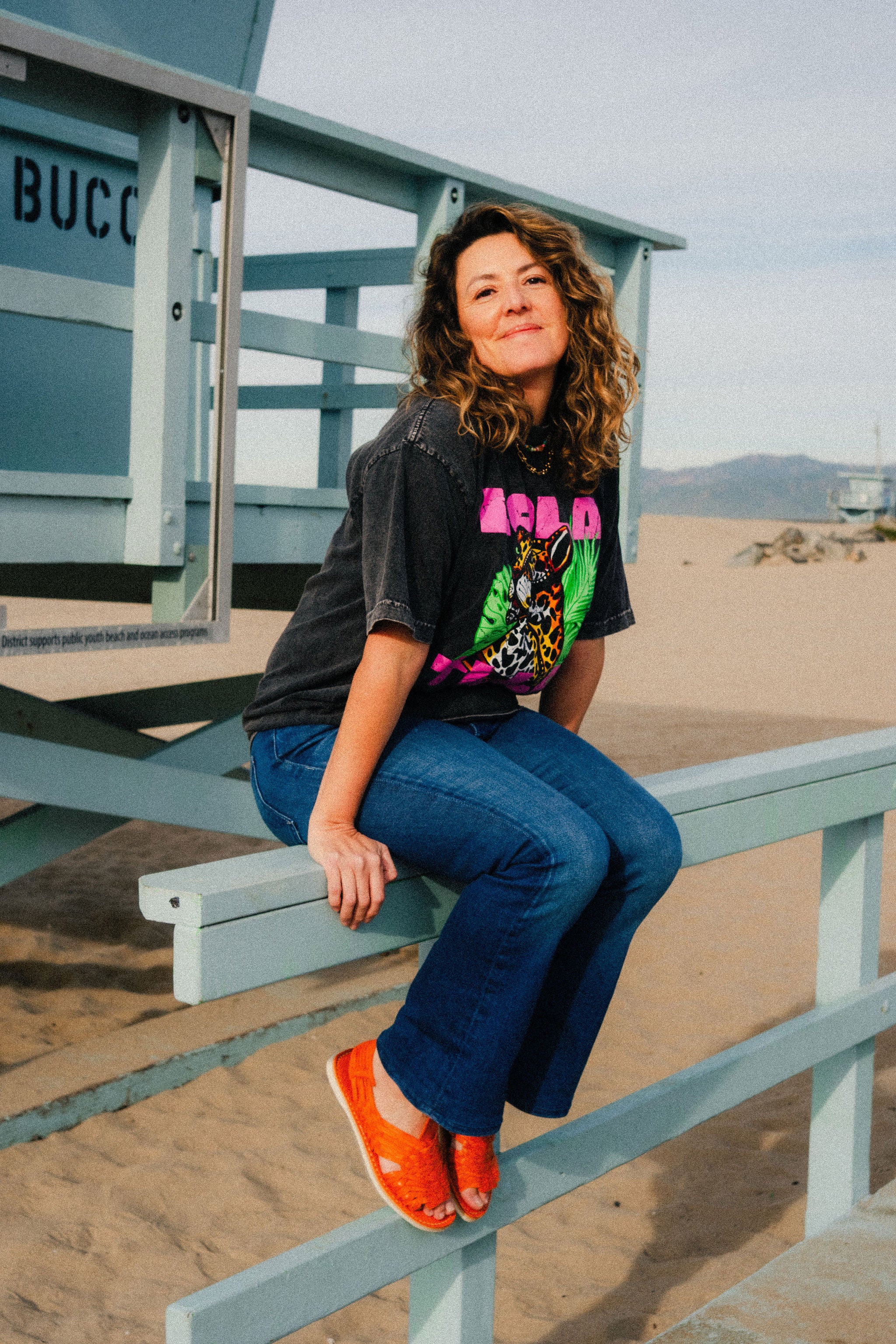
Two grandmothers. One brand.
Gardenia Ramirez founded LOLA Y TULA as a tribute to the two women who raised her mother and, through her, raised her. Both grandmothers have passed; the brand keeps their names in circulation.
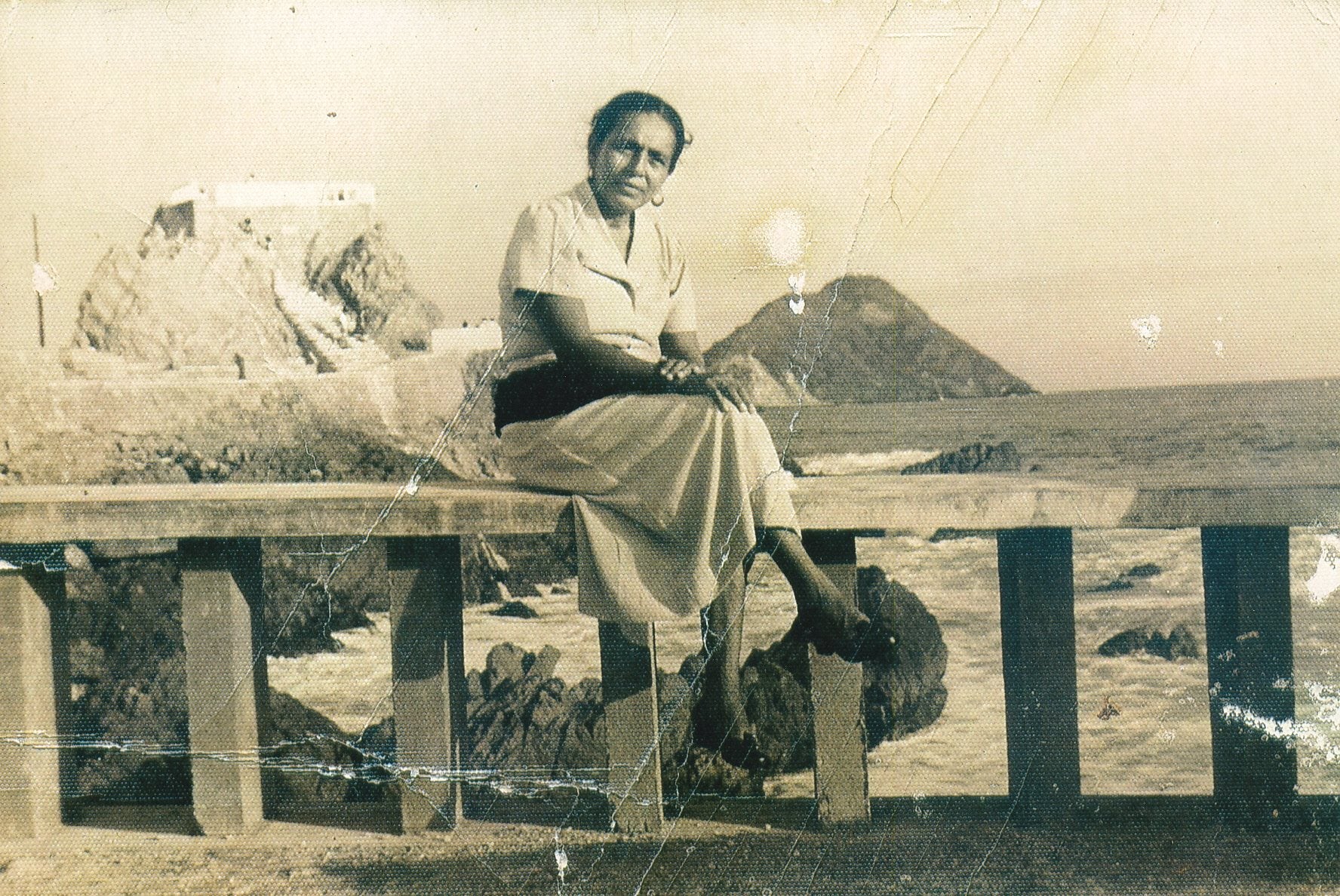
Gardenia's maternal grandmother, from Nayarit in northwestern Mexico. Huichol (Wixárika) ancestry — the indigenous community whose sacred beadwork appears in many LYT pieces. The brand's bead-embroidery line is a direct homage.

Gardenia's paternal grandmother, from Sonora on the US-Mexico border. European-descent, remembered by Gardenia as the "porcelain face" side of the family. The brand's clean-lined, leather-focused silhouettes carry her influence.
Hecho con cariño.
Diseñado en Venice, California. Hecho a mano en México — huaraches en Guadalajara, textiles en telar de cintura en Oaxaca, bordado Huichol en Nayarit.
Cada pieza lleva el nombre de una mujer de la familia. Cada artesano es nombrado, no anónimo. Salarios justos, producción en lotes pequeños, respeto por la tradición.
La fundadora, Gardenia Ramirez, es mexicoamericana de primera generación. Antes de LYT, diseñó para Ralph Lauren en Nueva York. LOLA Y TULA es el puente entre esa carrera y las abuelitas que la criaron.
Made with cariño.
Designed in Venice, California. Handmade in Mexico — huaraches in Guadalajara, backstrap-loom textiles in Oaxaca, Huichol beadwork in Nayarit.
Every piece carries a woman's name from the family. Every artisan is named, not anonymous. Fair wages, small-batch production, respect for tradition.
Founder Gardenia Ramirez is a first-generation Mexican-American. Before LYT she designed for Ralph Lauren in New York. LOLA Y TULA is the bridge between that career and the grandmothers who raised her.
The huarache — a pre-Columbian sandal, still woven by hand.
The huarache is one of the oldest continuously produced shoes in the Americas. Its origins trace to the Purépecha and Nahua communities of central and western Mexico — documented in the Museo Nacional de Antropología's footwear collection and the Smithsonian Folklife Festival's 2010 Mexico program. The word comes from Purépecha kwarachi, meaning sandal.
LOLA Y TULA's huaraches are made in Guadalajara, Jalisco — the capital of the modern huarache tradition — by a single artisan family. Each pair takes roughly three to four hours to weave by hand over a leather last. No machines. No fast production. Just the same technique passed generation to generation.
The Pachuco and Luisa silhouettes in the LYT catalog are the brand's two most recognizable shapes. Both trace to specific regional variations documented in PBS Craft in America's Threads episode and the FIT footwear archive.
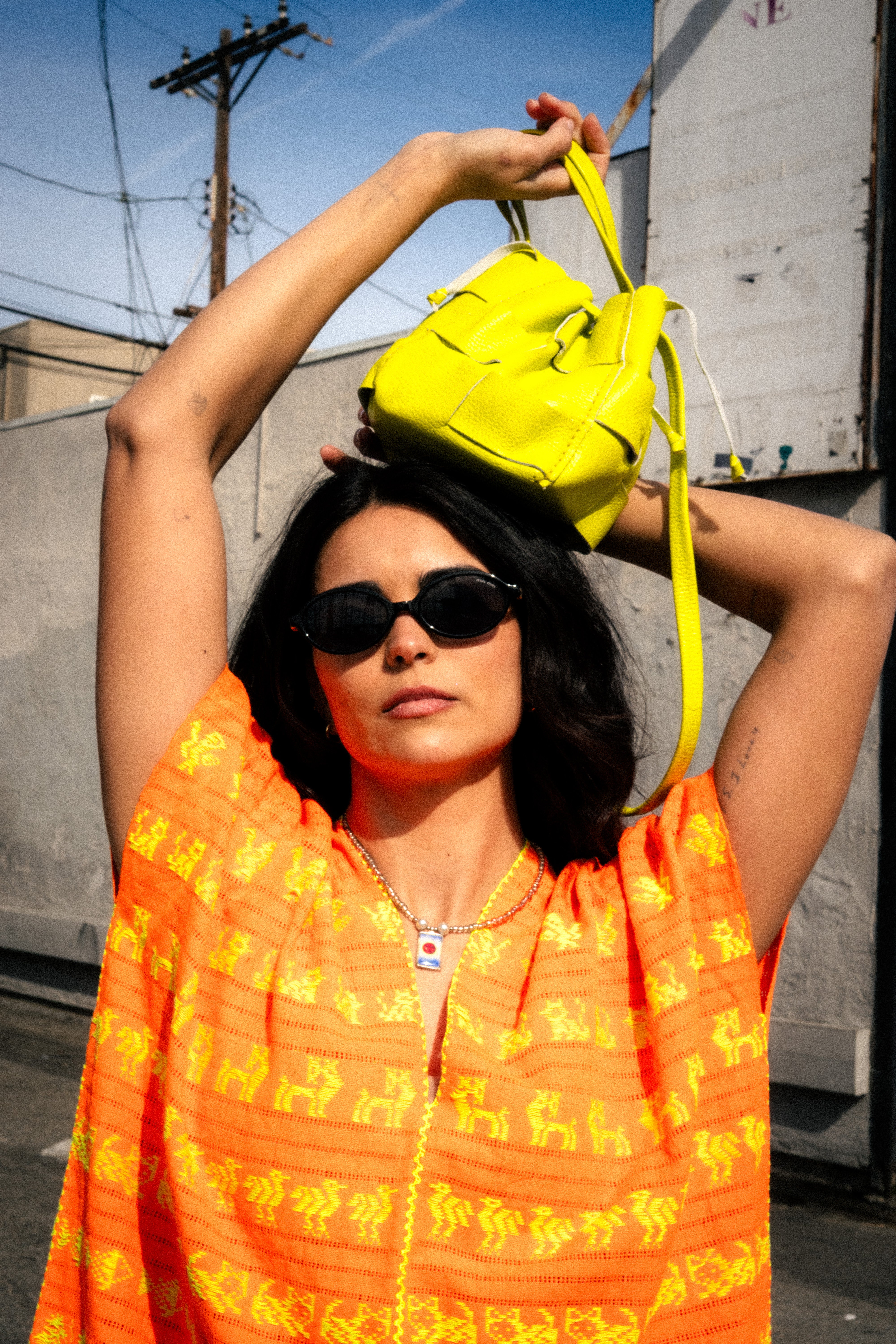
Three regions. Three traditions.
LOLA Y TULA works directly with artisan partners in three Mexican regions. Each artisan is named on the brand's Meet Our Makers page.
Huarache Atelier
A single artisan family weaves every LYT huarache by hand over a leather last. Guadalajara has been the center of Mexican huarache making since the 19th century — referenced in the Museo del Calzado de León archive.
Backstrap-Loom Co-op
Women-led cooperative in the Valles Centrales region weaves on telar de cintura — the backstrap loom, documented in UNESCO's Intangible Cultural Heritage lists and the Museo Textil de Oaxaca.
Huichol Bead Artisans
Wixárika (Huichol) beadworkers in Nayarit. Patterns draw from traditional cosmology — peyote, deer, corn. Respectfully framed, never appropriated. Field Museum Chicago holds the largest US Wixárika collection.
Doce piezas de la colección.

Camel Leather Huarache
$90
The Mini Tula Hot Pink
$85
Jaguar Lucia Crossbody Green
$70
Gold Leather Huarache
$90
Carmen Basket Bag Camel
$175
The Lolita Emerald
$89
Black Leather Pachuco Huarache
$90
Jaguar Embroidered Zip Around Wallet Green
$62
Hand Woven Leather Slides Camel
$90
Bella Bucket Bag Highlighter Yellow
$175
Nora Black
$98
The Luisa Leather Slides Gold
$90Preguntas frecuentes.
Answers to what we actually get asked.
Who founded LOLA Y TULA and when?
LOLA Y TULA was founded by Gardenia Ramirez, a first-generation Mexican-American designer based in Venice, California. Before LYT, Gardenia designed for Ralph Lauren in New York; she launched the brand after the birth of her first child as a way to bridge her fashion career with her Mexican heritage. The specific founding year is not publicly disclosed in the brand's materials — we cite only what she has stated in the Salsaology JefaSpotlight interview and the Super Mamas podcast (Episode 218).
Where does the name LOLA Y TULA come from?
The brand is named after Gardenia's two Mexican grandmothers (abuelitas). Lola is her maternal grandmother, from Nayarit, with Huichol (Wixárika) indigenous ancestry. Tula is her paternal grandmother, from Sonora, of European descent. Gardenia describes them as "two sides of Mexico, two sides of me." Both grandmothers have passed; the brand keeps their names in everyday circulation.
Where are the products made?
Designed in Venice, California. Handmade in Mexico by three artisan partner groups: a single Guadalajara family for huaraches, a women-led backstrap-loom cooperative in Oaxaca's Valles Centrales for textiles, and Wixárika bead artisans in Nayarit for beadwork. Every artisan is named — not anonymous — on the brand's Meet Our Makers page.
What's the huarache silhouette about?
The huarache is one of the oldest continuously produced shoes in the Americas, traced to the Purépecha and Nahua communities. LYT's version is woven by hand in Guadalajara — roughly 3-4 hours per pair — using the same technique documented in the Museo Nacional de Antropología's footwear collection and the Smithsonian Folklife Festival's Mexico program. The Pachuco and Luisa silhouettes are LYT's two hero shapes.
Is the Huichol beadwork culturally appropriated?
The brand works directly with Wixárika (Huichol) artisans in Nayarit who produce the beadwork themselves. Traditional patterns carry sacred meaning within Wixárika cosmology — peyote, deer, corn symbolism — which the artisans themselves select and produce. Respectful sourcing is the difference between appreciation and appropriation. Deeper cultural context is covered in our journal article on Huichol (Wixárika) Beadwork: The Symbolism Behind the Patterns, cited against the Field Museum Chicago and Smithsonian NMAI collections.
Does LYT have any certifications — B Corp, Fair Trade, organic?
LOLA Y TULA publicly commits to fair wages and small-batch artisan production but does not claim B Corp, Fair Trade USA, WFTO, or organic certifications. Country of manufacture (Mexico) and regional workshop is stated at brand level; individual product-page material descriptions specify leather, textile fiber, and bead material. If any of those are deal-breakers, verify at the SKU level before ordering.
Three long reads.
Primary-source-cited deep dives from the LOLA Y TULA journal.
The History of Mexican Huaraches
Purépecha origins, kwarachi etymology, Guadalajara workshop tradition, Pachuco + Chicano identity context. 500 years of continuous production.
Textile CraftOaxacan Backstrap-Loom Weaving
Telar de cintura, 3,500-year-old continuous technique. Why a huipil takes 3 weeks to 4 months. Cochineal + indigo + pericón natural dyes.
Indigenous CraftHuichol (Wixárika) Beadwork — Sacred Symbolism
Peyote-deer-corn cosmology, the Wirikuta pilgrimage, what motifs mean, beeswax-base technique, respectful sourcing vs appropriation.
Hecho con cariño.
Named after abuelitas. Made by their heirs.
Shop the Collection → — Curated Sense · Casa File No. 035 · LOLA Y TULA · 2026

