
The phrase 'inclusive sizing up to 3XL' is now standard on most US apparel brands' websites. The reality at fitting time is often very different — sample-sized garments graded out without re-engineering, with armhole and side-seam proportions that don't actually fit the body the size implies. Here's how to tell.
Sample size vs grading: the technical difference
Every apparel brand designs from a 'sample size' — usually women's size 6 or 8 in the US. The pattern-maker drafts the garment to fit that one body type, photographs it on a sample-size model, and then 'grades' the pattern up and down for additional sizes. Grading is a mathematical scaling — but a body at size 22 isn't a body at size 6 multiplied. The proportions change: hip-to-waist ratios, bust-to-shoulder ratios, armhole depth, sleeve length all shift in non-linear ways.
Genuine size-inclusive design re-drafts patterns at multiple key sizes (typically 8, 14, 20, 24) and grades between those anchor points rather than out from a single small sample. The result is garments that fit the body, not the math.
How to tell when a brand is genuinely size-inclusive
- Multiple model sizes in product photography. Not just an XS sample model with a 'fits sizes XS–3XL' caption. Look for the same garment shown on a size 6, 14, and 20 body.
- Size-specific measurement charts in inches. Generic XS/S/M/L charts that don't differentiate between, say, an XL and a 2XL are a red flag.
- Reviews from larger-size buyers. Brands genuinely designing for plus sizes accumulate reviews from those buyers — "finally fits" comments are diagnostic.
- Plus-size-specific construction details. Reinforced shoulder seams, side-bust darts, armhole-depth notes — these are technical signals.
- The brand sells through plus-size-focused boutiques. Resellers vet for fit before stocking; brands whose clothes don't fit plus-size customers don't get distribution there.
What faking it looks like
The most common pattern: a brand graded a sample-size garment up by formula. The 3XL technically exists but is wrong-proportioned — typically too long in the torso, too tight across the hip, too narrow at the armhole. Customer reviews will read "runs small" or "sized down two" disproportionately at the larger sizes. The brand's response is usually to advise sizing up rather than fix the pattern.
Another pattern: the brand carries 3XL in a tiny fraction of total SKUs (often just 'classic' silhouettes deemed safe). The newer or trendier styles stop at XL. This forces plus-size customers into a curated subset of the catalog that doesn't reflect the brand's actual creative output.
What Grace+Emma does differently
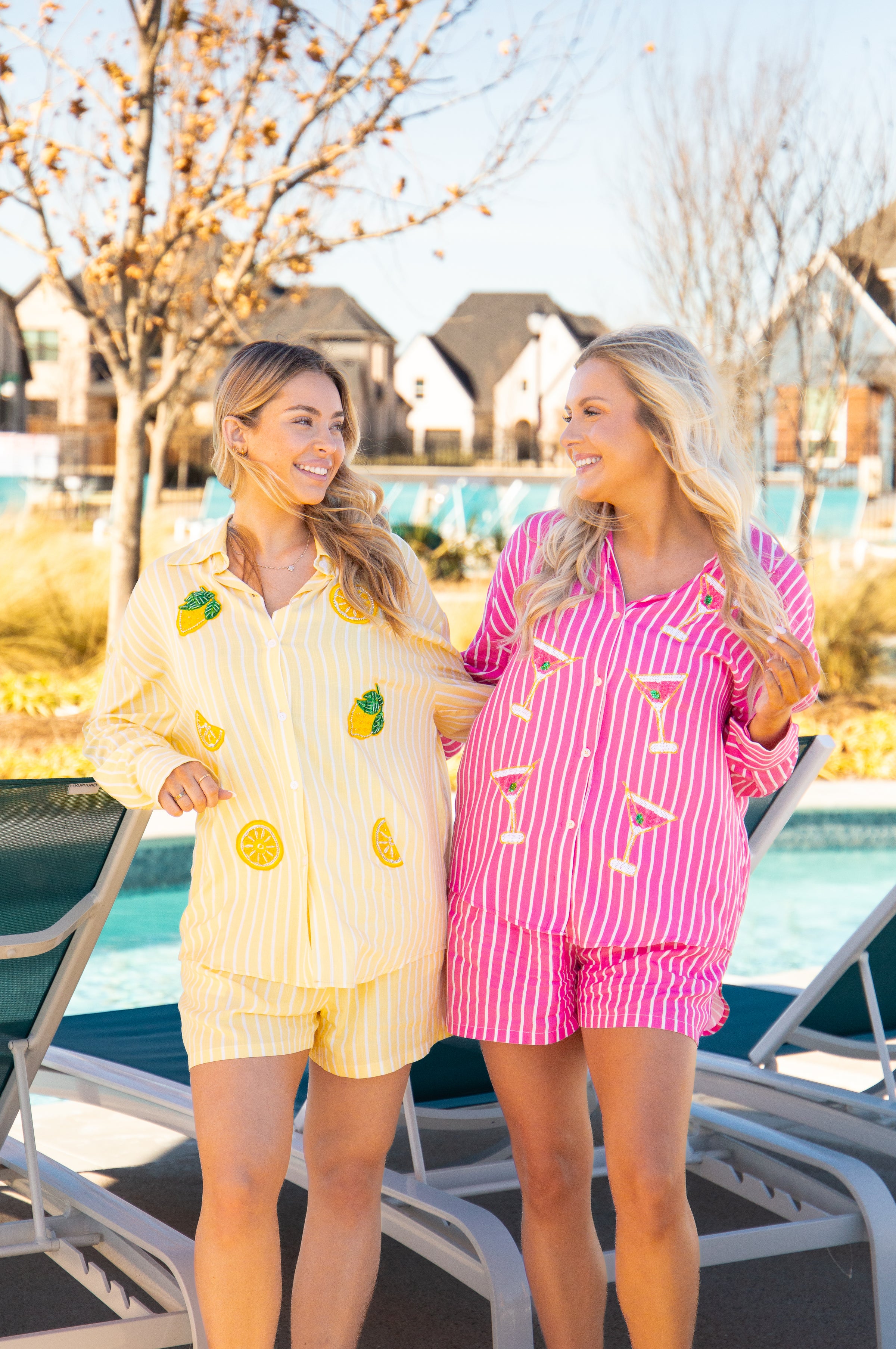
Grace+Emma's size-inclusive commitment is published — XS through 3XL across every silhouette in the catalog, not a curated subset. The brand's marketing photography frequently shows the same garment on multiple body sizes, and reviews from 2XL/3XL customers are over-represented in the brand's testimonial set (a leading indicator that the fit actually works). Each product page lists size-by-size measurements in inches.
The trade-off the brand makes for true size-inclusive design: smaller batch sizes, higher per-unit costs, and slower restocks at the larger end. The economics are tighter than for a brand that sells 80% of inventory in S/M/L. But that's the cost of meaning what 'inclusive' says on the website.
Grading a size 6 sample up to a 3XL is not designing for a 3XL body. It's hoping the math works out.
Sources & citations
- Council of Fashion Designers of America. "Size-Inclusive Design Practices Working Group" (2023 report).
- Otten, J. (2020). "The Hidden Plus-Size Tax: How fashion brands fail body inclusivity." Fashion Practice, 12(2), 215–238.
- ASTM International D5586/D5586M-22 — Standard Tables of Body Measurements for Adult Female Misses Figure Type.
- Universal Standard. "On the Methodology of Truly Size-Inclusive Design" (white paper, 2022).
Discover more from Grace+Emma or browse the full Grace+Emma collection.
Frequently asked
What does "What Real Size-Inclusive Design Looks Like (And Where Most Brands Fake It)" cover?
This piece walks through the topic, context, and practical implications laid out in the article body above — focused on giving you a clear, sourced read rather than a quick listicle. Use it to deepen your understanding of the brand, category, or product family discussed.
Who is this article written for?
Readers shopping the brand or category covered, plus curious browsers researching independent makers stocked at Curated Sense. Both casual shoppers and trade buyers will find the same source-linked perspective.
How does Curated Sense vet the brands featured in journal articles?
Every brand in our journal has been onboarded directly: live inventory sync with the brand's own catalog, links back to the maker's own .com, and quality checks against return-rate, fulfillment-time, and customer-message-volume thresholds. We don't run sponsored placements in our journals.
Where can I shop the products discussed in this article?
Open the brand's collection or sub-collection page linked above to see current stock. Each product card opens a full Curated Sense product page with sizing, materials, the maker's own description, and the brand's live shipping policy.