Why Getting Dressed Is Hard for Some Kids
For most children, getting dressed is a two-minute routine. For kids with Sensory Processing Disorder (SPD), autism, ADHD, or other conditions that affect sensory integration, it can be one of the most challenging parts of the day. The textures, tags, seams, and fit of standard clothing trigger genuine discomfort — not fussiness, not defiance, but actual physical distress from a nervous system that processes tactile information differently.
The result is meltdowns at 7am, refusals to wear certain fabrics, and cycles of frustration that affect the whole family. Sensory-friendly clothing was designed to break that cycle by removing the triggers at the source.
Key Features of Sensory-Friendly Clothing
1. Tagless Construction
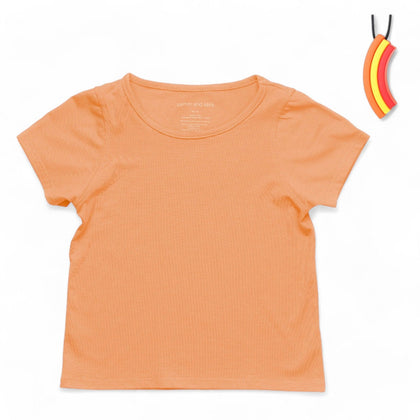
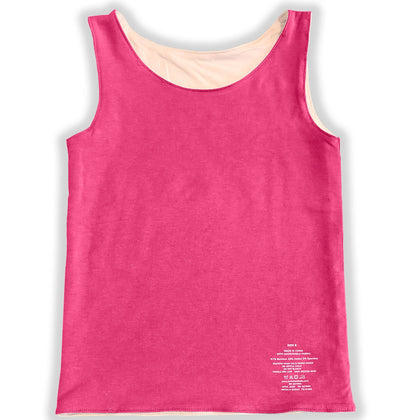
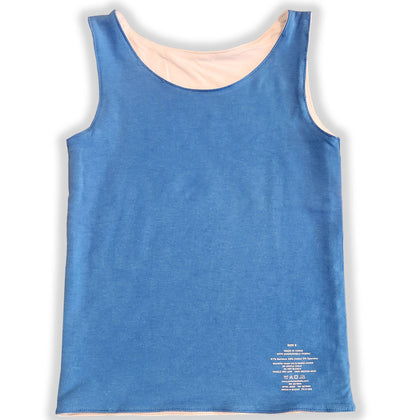
Clothing tags — the small woven or printed labels sewn into the back neckline — are one of the most universally reported sensory triggers. The scratching sensation of a tag against skin is constant, low-grade, and impossible to ignore for kids with heightened tactile sensitivity. True sensory-friendly garments either print size/care information directly into the fabric or use soft heat-transfer labels rather than sewn-in woven tags.
Note that removing a tag from a regular garment doesn't fully solve the problem — it leaves a stub of stitching that can still irritate. Garments designed tagless from the start don't have the stitching pattern at all.
2. Flat-Lock Seam Construction
Standard clothing is assembled using overlocked seams — the thread wraps around the edge of the fabric and creates a small ridge where two pieces meet. For sensory-sensitive kids, that ridge is felt constantly against the skin, particularly at shoulder seams, underarm seams, and ankle cuffs. Flat-lock seam construction stitches the seam in a way that stays flat against the skin with no raised edge. The difference in tactile sensation is significant.
3. Soft, Stable Fabrics
Fabric selection matters beyond softness alone. Fabrics that pill, shrink, or change texture with washing alter the tactile experience over time — a shirt that was tolerable on wash #1 might become intolerable by wash #20. Sensory-friendly clothing uses fabrics (typically high-quality cotton, bamboo, or modal blends) that maintain consistent softness and texture across repeated washing.
4. Comfortable Waistbands
Tight, narrow, or rough-edged waistbands are the second most common clothing complaint from sensory kids after tags. Wide, soft elastic waistbands that sit gently on the skin — rather than digging in during movement — make a significant difference in whether pants or joggers are tolerable for full-day wear.
5. Seamless Socks
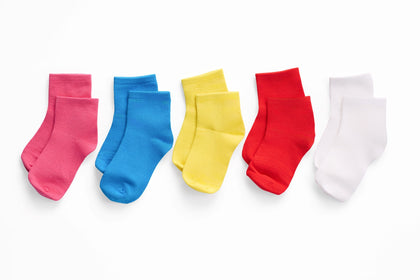
The sock toe seam is a specific point of intense focus for many sensory kids. The small seam across the toe of most socks creates a bump that some sensory children feel acutely with every step. Seamless or SmoothToe sock construction eliminates this seam entirely, creating a fully smooth surface around the toe.
How to Transition to Sensory-Friendly Clothing
Moving a sensory-sensitive child to new clothing requires patience even when the clothing is better. Approach it gradually:
- Introduce one piece at a time: Don't replace the whole wardrobe at once. Start with the most-complained-about item (usually socks or a specific shirt) and replace only that.
- Wash before wearing: New clothing often has manufacturing residue that affects feel. Always wash before first wear to achieve the softened, broken-in state the child will actually experience.
- Let the child feel before committing: Have the child touch and hold new clothing before wearing it — sensory processing works visually and tactilely and a positive initial touch experience increases acceptance.
- Don't force during a difficult day: New clothing tries are best made on calm, regulated days rather than when the child is already dysregulated.
Discover more from ParkerandTalia or browse the full ParkerandTalia collection.